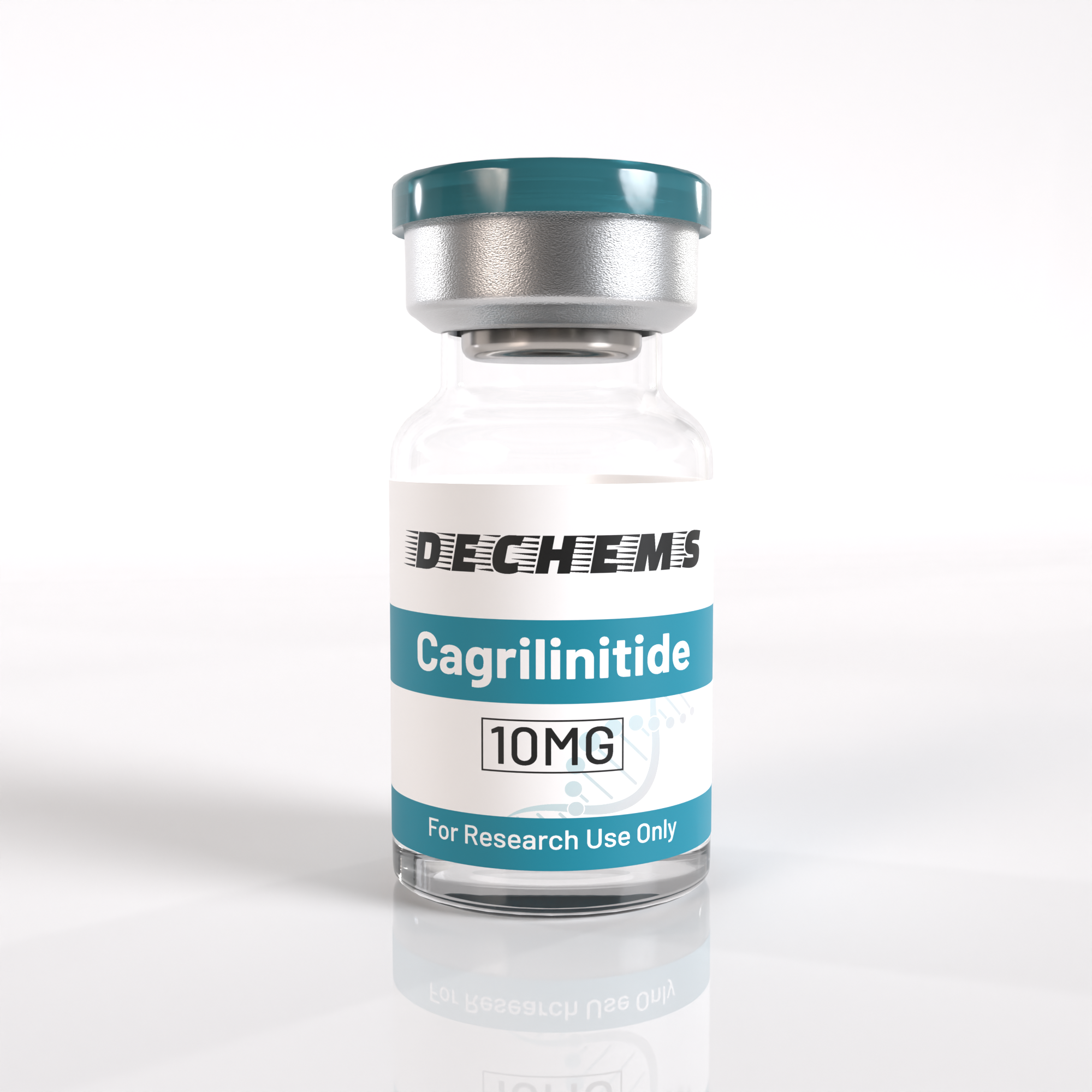

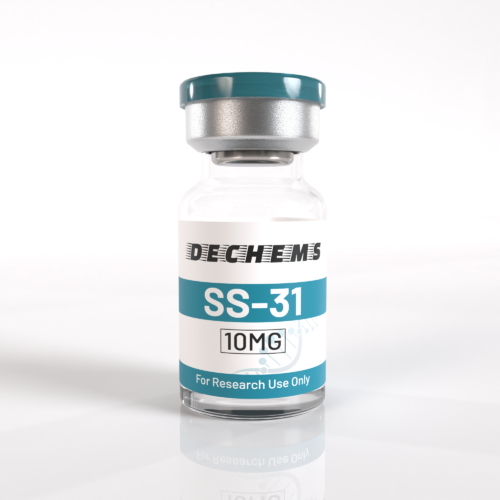
Cagrilinitide 10MG

Categories:

Cagrilinitide 10MG is a research-use-only peptide designed for laboratory exploration. This compound is intended for academic or investigative purposes within controlled research settings. It is not for human or veterinary medical use. For research use only.

$61.00

Satisfaction Guaranteed

Secure
Payment

Third-party
Tested

Research Use Disclaimer

Every serious peptide company prominently displays this. Example Research Use Only All products offered by Ascend Biologics are intended strictly for laboratory research purposes. Products are not for human consumption and are not intended for diagnostic, therapeutic, or medical use. By purchasing from our website, customers confirm they are qualified researchers or laboratories and understand the intended research-use designation.

Cagrilinitide 10MG – Research-Use-Only Peptide

Cagrilinitide 10MG

Cagrilinitide is a synthetic peptide with potential applications in research studies focused on pancreatic and gastrointestinal physiology. This product is intended solely for laboratory investigations and does not represent a therapeutic, diagnostic, or cosmetic agent. Researchers should consult the latest published literature and their institutional guidelines to ensure compliance with all applicable regulations.

Research Context

Cagrilinitide is a modified analog of the endogenous peptide glucagon-like peptide-1 (GLP-1), which plays a critical role in glucose metabolism and gastrointestinal motility. Emerging preclinical research suggests potential applications in studying pancreatic endocrine function, insulin secretion, and the effects of GLP-1 receptor agonists on pancreatic beta-cell viability. Due to its structural similarity to native GLP-1, cagrilinitide has been investigated in studies exploring its effects on pancreatic islet cell responses, particularly in models involving diabetic conditions.

Research Overview

Cagrilinitide is primarily utilized in research settings to investigate the physiological mechanisms underlying pancreatic and gastrointestinal processes. Preclinical studies have examined its impact on glucose homeostasis, pancreatic beta-cell proliferation, and potential neuroendocrine effects in gastrointestinal tissues. Researchers employing this peptide should consider its metabolic activity and potential cross-reactivity with GLP-1 receptors in relevant model systems.

Key Research Focus Areas

  • Pancreatic Physiology: Evaluation of GLP-1 receptor-mediated insulinotropic effects, beta-cell function, and potential applications in studies of diabetes mellitus.
  • Gastrointestinal Motility: Investigation of peptide-induced changes in intestinal and pancreatic secretomotor responses in preclinical models.
  • Neuroendocrine Research: Examination of potential central nervous system effects, including modulation of appetite regulation and metabolic signaling pathways.
  • Metabolic Studies: Analysis of glucose metabolism, energy balance, and potential effects on obesity-related pathways.
  • Pharmacological Profiles: Assessment of peptide stability, receptor affinity, and comparative activity relative to endogenous GLP-1 analogs.

Safety and Compliance

Research involving cagrilinitide must adhere to strict ethical, regulatory, and safety protocols. This product should only be handled by qualified researchers in a controlled laboratory environment with appropriate personal protective equipment (PPE). Failure to comply with institutional review board (IRB) or animal care guidelines may result in legal consequences. Always follow current guidelines from organizations such as the National Institutes of Health (NIH), European Medicines Agency (EMA), or equivalent regulatory bodies.

Important Disclaimer

This product is intended solely for research purposes and is not intended for human or animal consumption. The information provided herein is for educational and informational purposes only and does not constitute medical advice. Researchers are responsible for ensuring compliance with all applicable laws, regulations, and ethical standards pertaining to their specific use of cagrilinitide. Unauthorized use is strictly prohibited.
Lorem ipsum dolor sit amet, consectetur adipiscing elit. Ut elit tellus, luctus nec ullamcorper mattis, pulvinar dapibus leo.

At Hollywood Peptides, we provide more than just industry-leading compounds; we provide the certainty and excellence required for groundbreaking results. We recognize that in the world of science, there is no room for error. That is why every formulation we offer is subjected to stringent validation and certification protocols.
 
Lab Report
Date Added :
03/15/2026

Cagrilinitide 10MG – Research-Use-Only Peptide

Cagrilinitide 10MG

Cagrilinitide is a synthetic peptide with potential applications in research studies focused on pancreatic and gastrointestinal physiology. This product is intended solely for laboratory investigations and does not represent a therapeutic, diagnostic, or cosmetic agent. Researchers should consult the latest published literature and their institutional guidelines to ensure compliance with all applicable regulations.

Research Context

Cagrilinitide is a modified analog of the endogenous peptide glucagon-like peptide-1 (GLP-1), which plays a critical role in glucose metabolism and gastrointestinal motility. Emerging preclinical research suggests potential applications in studying pancreatic endocrine function, insulin secretion, and the effects of GLP-1 receptor agonists on pancreatic beta-cell viability. Due to its structural similarity to native GLP-1, cagrilinitide has been investigated in studies exploring its effects on pancreatic islet cell responses, particularly in models involving diabetic conditions.

Research Overview

Cagrilinitide is primarily utilized in research settings to investigate the physiological mechanisms underlying pancreatic and gastrointestinal processes. Preclinical studies have examined its impact on glucose homeostasis, pancreatic beta-cell proliferation, and potential neuroendocrine effects in gastrointestinal tissues. Researchers employing this peptide should consider its metabolic activity and potential cross-reactivity with GLP-1 receptors in relevant model systems.

Key Research Focus Areas

  • Pancreatic Physiology: Evaluation of GLP-1 receptor-mediated insulinotropic effects, beta-cell function, and potential applications in studies of diabetes mellitus.
  • Gastrointestinal Motility: Investigation of peptide-induced changes in intestinal and pancreatic secretomotor responses in preclinical models.
  • Neuroendocrine Research: Examination of potential central nervous system effects, including modulation of appetite regulation and metabolic signaling pathways.
  • Metabolic Studies: Analysis of glucose metabolism, energy balance, and potential effects on obesity-related pathways.
  • Pharmacological Profiles: Assessment of peptide stability, receptor affinity, and comparative activity relative to endogenous GLP-1 analogs.

Safety and Compliance

Research involving cagrilinitide must adhere to strict ethical, regulatory, and safety protocols. This product should only be handled by qualified researchers in a controlled laboratory environment with appropriate personal protective equipment (PPE). Failure to comply with institutional review board (IRB) or animal care guidelines may result in legal consequences. Always follow current guidelines from organizations such as the National Institutes of Health (NIH), European Medicines Agency (EMA), or equivalent regulatory bodies.

Important Disclaimer

This product is intended solely for research purposes and is not intended for human or animal consumption. The information provided herein is for educational and informational purposes only and does not constitute medical advice. Researchers are responsible for ensuring compliance with all applicable laws, regulations, and ethical standards pertaining to their specific use of cagrilinitide. Unauthorized use is strictly prohibited.
Reviews

There are no reviews yet.

Be the first to review “Cagrilinitide 10MG”

Your email address will not be published. Required fields are marked *

Related Peptides