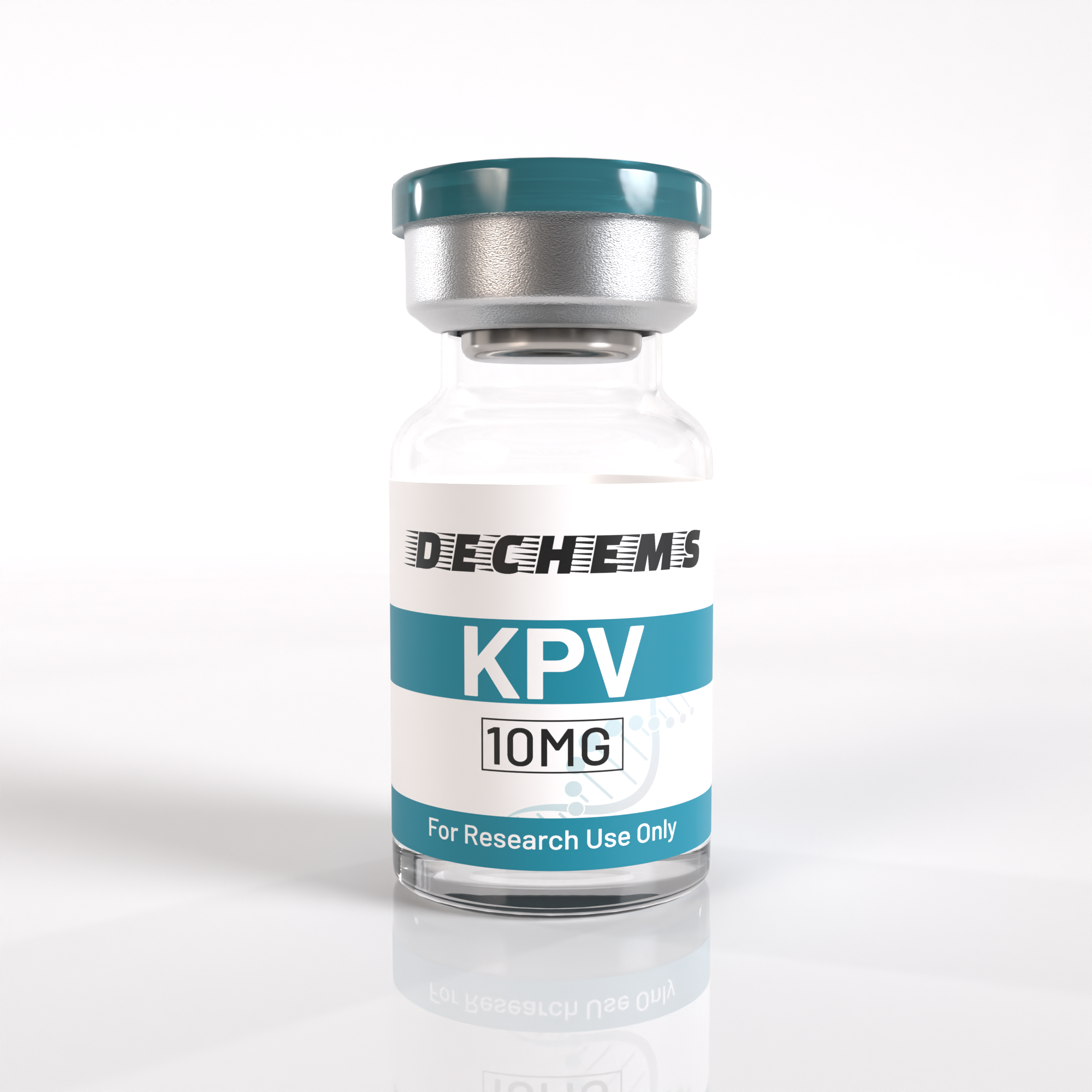

KPV 10MG

Categories:

KPV is a synthetic peptide designed for research-use-only laboratory applications. This 10mg formulation is intended for academic and exploratory investigations only, with no therapeutic claims. Always follow proper handling and safety protocols in a controlled research environment.

$39.00

Satisfaction Guaranteed

Secure
Payment

Third-party
Tested

Research Use Disclaimer

Every serious peptide company prominently displays this. Example Research Use Only All products offered by Ascend Biologics are intended strictly for laboratory research purposes. Products are not for human consumption and are not intended for diagnostic, therapeutic, or medical use. By purchasing from our website, customers confirm they are qualified researchers or laboratories and understand the intended research-use designation.

KPV 10MG

KPV (Kanamycin Phosphotransferase Variants) is a peptide research compound derived from microbial or synthetic sources, often evaluated in biochemical and molecular biology studies. This peptide is used under controlled academic or research conditions to explore its potential interactions in biochemical assays, cellular signaling pathways, or as a substrate for enzymatic studies. This description provides insights into its potential role within a research context.

Research Context

Peptides like KPV are significant in biochemistry and molecular biology due to their role in mimicking or influencing natural biological processes. While KPV itself is not traditionally associated with a specific physiological function, it may be utilized in experiments to study antibiotic resistance mechanisms, protein interactions, or enzyme specificity. Researchers use peptides such as these to investigate mechanisms of action for antibiotics, drug resistance, and protein binding affinities.

Research Overview

KPV is frequently studied in the context of resistance mechanisms, particularly in relation to kanamycin and other aminoglycoside antibiotics. These peptides have been used to study how bacterial enzymes, such as phosphotransferases, confer resistance by modifying the antibiotic structure. The compound’s structure may allow it to serve as a substrate or inhibitor in biochemical assays aimed at understanding resistance pathways. However, its precise role in research depends on the specific experimental design and the particular biological context.

Key Research Focus Areas

  • Antibiotic resistance mechanisms
  • Enzymatic modifications of peptides and antibiotics
  • Protein interactions in bacterial cells
  • Substrate specificity in enzymatic assays
  • Biochemical characterization of peptide analogs

Final Compliance Disclaimer

This product is intended solely for research purposes in an academic or institutional setting. It is strictly prohibited for use in human or animal consumption. Handling, storage, and disposal of this material must comply with all applicable laboratory and regulatory guidelines. Users must ensure adherence to ethical standards and legal requirements governing research materials. Misuse is strictly forbidden.

For research use only. Not for human or animal consumption.

Lorem ipsum dolor sit amet, consectetur adipiscing elit. Ut elit tellus, luctus nec ullamcorper mattis, pulvinar dapibus leo.

At Hollywood Peptides, we provide more than just industry-leading compounds; we provide the certainty and excellence required for groundbreaking results. We recognize that in the world of science, there is no room for error. That is why every formulation we offer is subjected to stringent validation and certification protocols.
 
Lab Report
Date Added :
03/15/2026

KPV 10MG

KPV (Kanamycin Phosphotransferase Variants) is a peptide research compound derived from microbial or synthetic sources, often evaluated in biochemical and molecular biology studies. This peptide is used under controlled academic or research conditions to explore its potential interactions in biochemical assays, cellular signaling pathways, or as a substrate for enzymatic studies. This description provides insights into its potential role within a research context.

Research Context

Peptides like KPV are significant in biochemistry and molecular biology due to their role in mimicking or influencing natural biological processes. While KPV itself is not traditionally associated with a specific physiological function, it may be utilized in experiments to study antibiotic resistance mechanisms, protein interactions, or enzyme specificity. Researchers use peptides such as these to investigate mechanisms of action for antibiotics, drug resistance, and protein binding affinities.

Research Overview

KPV is frequently studied in the context of resistance mechanisms, particularly in relation to kanamycin and other aminoglycoside antibiotics. These peptides have been used to study how bacterial enzymes, such as phosphotransferases, confer resistance by modifying the antibiotic structure. The compound’s structure may allow it to serve as a substrate or inhibitor in biochemical assays aimed at understanding resistance pathways. However, its precise role in research depends on the specific experimental design and the particular biological context.

Key Research Focus Areas

  • Antibiotic resistance mechanisms
  • Enzymatic modifications of peptides and antibiotics
  • Protein interactions in bacterial cells
  • Substrate specificity in enzymatic assays
  • Biochemical characterization of peptide analogs

Final Compliance Disclaimer

This product is intended solely for research purposes in an academic or institutional setting. It is strictly prohibited for use in human or animal consumption. Handling, storage, and disposal of this material must comply with all applicable laboratory and regulatory guidelines. Users must ensure adherence to ethical standards and legal requirements governing research materials. Misuse is strictly forbidden.

For research use only. Not for human or animal consumption.
Reviews

There are no reviews yet.

Be the first to review “KPV 10MG”

Your email address will not be published. Required fields are marked *

Related Peptides